Is your living space starting to feel cluttered and chaotic? You are not alone. Millions of people struggle with keeping their homes tidy, and the solution often begins with choosing the right furniture. Whether you live in a compact apartment or a spacious house, a well-chosen piece of shelving furniture can transform any room from messy to magnificent. This guide will walk you through everything you need to know about using a Bookcase as the foundation of your home organization strategy. From picking the ideal style to arranging your belongings with purpose, these tips will help you create a space that is both functional and visually appealing.
Why a Storage Solution Matters for Every Home
Before diving into specific furniture options, it is important to understand why having a dedicated organization system matters. Clutter does not just make a room look untidy — it can actually increase stress levels and reduce productivity. When items do not have a designated home, they pile up on countertops, floors, and tabletops, creating visual noise that overwhelms the mind. A reliable storage solution gives every possession a place, making daily routines smoother and more efficient. Whether you are organizing books, decorative items, office supplies, or household essentials, having the right furniture makes all the difference. The key is to find pieces that match both your spatial constraints and your aesthetic preferences, ensuring that organization feels effortless rather than like a chore.
Choosing the Right Lighted Bookcase for Ambiance and Function
One of the most exciting innovations in home shelving is the Lighted Bookcase. This type of furniture combines practical shelf space with integrated lighting elements, creating a warm and inviting atmosphere in any room. Built-in LED strips or spotlights can highlight your favorite books, showcase decorative objects, and even serve as ambient lighting during evening hours. For beginners who want to make a strong design statement while keeping things organized, a lighted option is an excellent choice. It eliminates the need for separate table lamps or floor lights near your reading nook, saving both space and money. When positioning your lighted unit, consider placing it in a living room corner or beside a comfortable chair to create a cozy reading area that naturally draws the eye.
Maximizing Space with a Modular Bookcase
Not every room has the same dimensions, and that is where a Modular Bookcase truly shines. Modular units consist of individual sections that can be stacked, connected, or rearranged to fit virtually any wall or corner. This flexibility is especially valuable for renters who may move frequently or homeowners who like to refresh their layouts periodically. You can start with a small configuration and expand over time as your collection of books and belongings grows. For beginners, this approach removes the pressure of committing to one massive piece of furniture. Instead, you build your system gradually, learning what works best for your lifestyle. Arrange taller modules against walls for stability and use shorter units as room dividers in open-plan spaces to create distinct zones without building permanent barriers.
Keeping Documents Secure with a File Cabinet
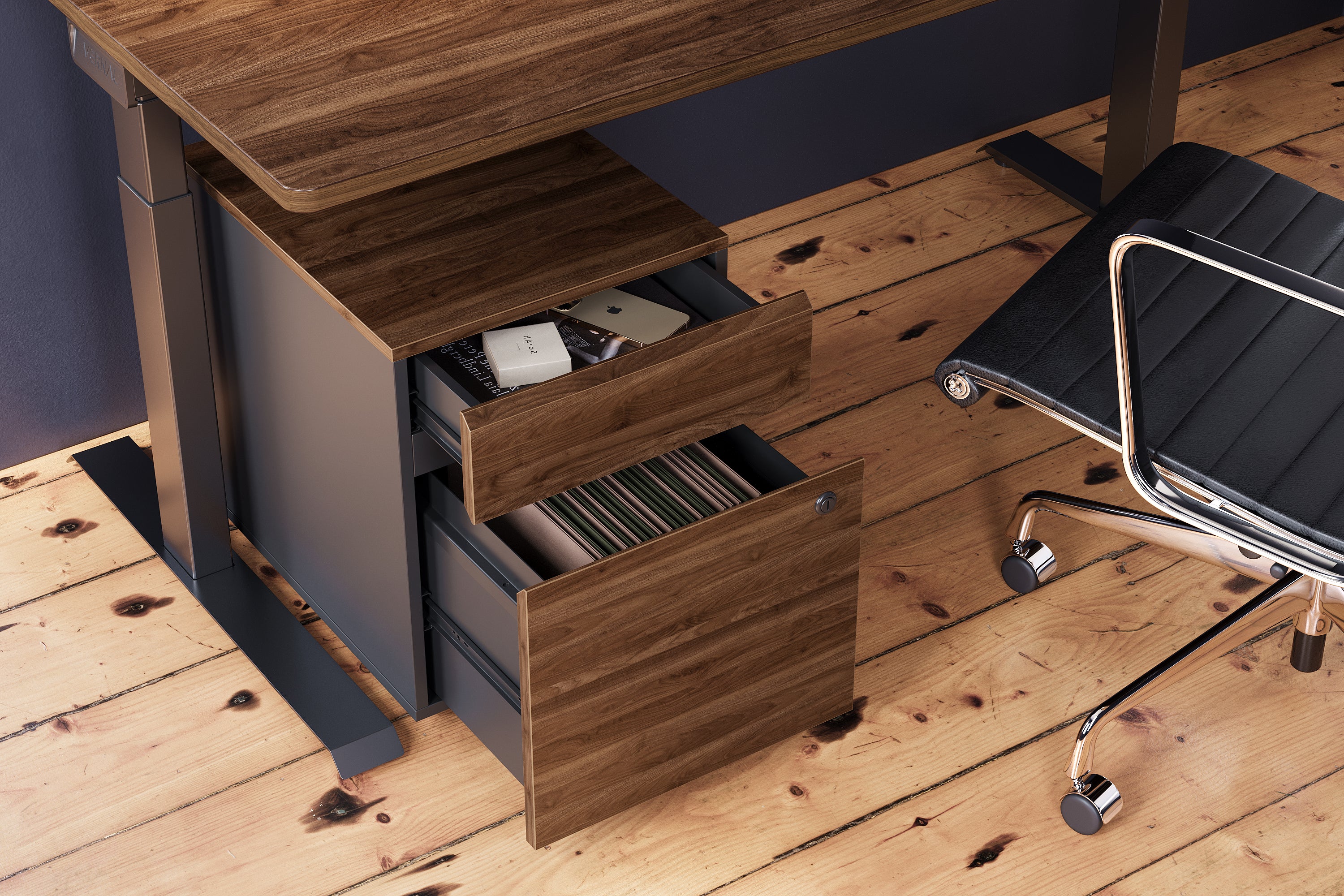
Home organization is not only about displaying beautiful objects — it is also about managing the practical side of life. Bills, contracts, medical records, tax documents, and warranties all need a proper home. A File Cabinet provides a dedicated space for paperwork, preventing important documents from getting lost in piles on your desk or kitchen counter. Modern designs come in various finishes and sizes, so you can find one that complements your existing decor rather than looking like office equipment. Place your file unit near your workspace or in a home office corner for easy access. Label each drawer clearly — one for financial records, one for personal documents, and one for miscellaneous papers — so that filing becomes a quick and painless habit rather than an overwhelming project.
When to Upgrade to a Locking File Cabinet
Some documents require extra protection. Passports, social security cards, property deeds, and confidential work materials should not be left in an open drawer where anyone can access them. A Locking File Cabinet adds a critical layer of security to your home office setup. With a simple key or combination lock, you gain peace of mind knowing that sensitive information is protected from prying eyes. This is particularly important for households with children, frequent guests, or shared living arrangements. Look for models with smooth-glide drawers and sturdy construction so that security does not come at the cost of convenience. Position your locking unit in a discreet area of your office where it remains accessible to you but out of casual sightlines.
Complementing Your Setup with a Storage Cabinet
While open shelving is wonderful for display items, some belongings are better kept behind closed doors. A Storage Cabinet provides concealed space for items you want accessible but not necessarily on show — think board games, craft supplies, cleaning products, or seasonal decorations. Combining closed cabinets with open shelves creates a balanced look that feels curated rather than cluttered. In a living room, use the cabinet to stash remote controls, chargers, and magazines. In a bedroom, it can hold extra linens and accessories. The enclosed design also protects contents from dust, reducing the time you spend cleaning and maintaining your organized space. Choose a cabinet with adjustable interior shelves to accommodate items of varying heights and shapes.
Tips for Arranging Your Organized Space Like a Pro
Once you have selected your furniture, the final step is arranging everything thoughtfully. Start by grouping similar items together — books with books, decor with decor, and supplies with supplies. Use decorative baskets or bins on open shelves to corral smaller items that might otherwise look messy. Leave some breathing room on each shelf; overcrowding defeats the purpose of organization. Consider color-coordinating your book spines or alternating between horizontal and vertical stacks to add visual interest. Rotate displayed items seasonally to keep the arrangement feeling fresh. Above all, remember that an organized home is a living system — it requires occasional maintenance but rewards you daily with a sense of calm and clarity that makes every room more enjoyable.
Organizing your home does not require a professional designer or an enormous budget. By choosing versatile, well-designed pieces that suit your specific needs, you can create a space that is both beautiful and practical. Start small, stay consistent, and watch as your home transforms into the orderly sanctuary you have always envisioned.

 Beginner's Guide to Organizing Your Home with a Bookcase